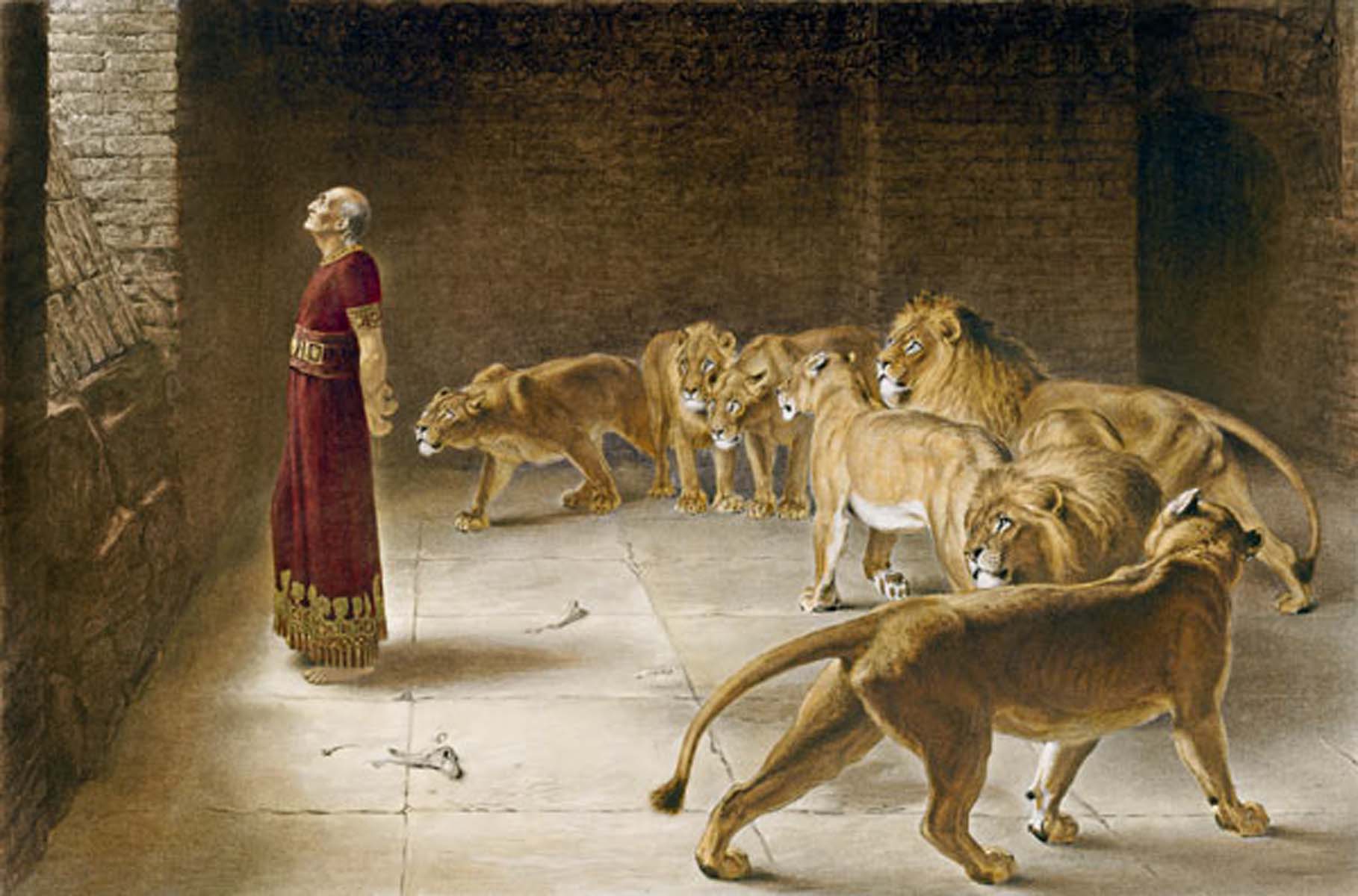
The Book of The Prophet Daniel
The Book of Daniel is one of the most important prophetic books in the Bible. It was written by Daniel in the mid-6th century B.C. (probably around 530 B.C.). Daniel’s name in Hebrew means “God is Judge” or “God is my Judge”. He was taken captive to Babylon during King Nebuchadnezzar of Babylon’s early incursion into Judah and Jerusalem in 605 B.C., along with three compatriots – Hananiah, Mishael, and Azariah. It appears that the four were around 16-17 years old and members of the royal household of Judah and were selected due to their high position and intelligence by the Babylonians for special training in the affairs of the royal court at Babylon. The book records God using Daniel as an instrument in the preparations for the deported people of Judah to return to Jerusalem to rebuild the temple and walls that were to be destroyed by Nebuchadnezzar. God revealed to Nebuchadnezzar through Daniel, His prophetic program, charting the rise and fall of four great Gentile empires that would hold dominion over the holy city of Jerusalem and the people of Judah (to become known post-Babylonian-captivity as the Jews”).
Daniel’s life and prophetic ministry spanned the Babylonian and Persian empires, marked by divine wisdom, unwavering faith, and profound visions that shaped biblical prophecy.
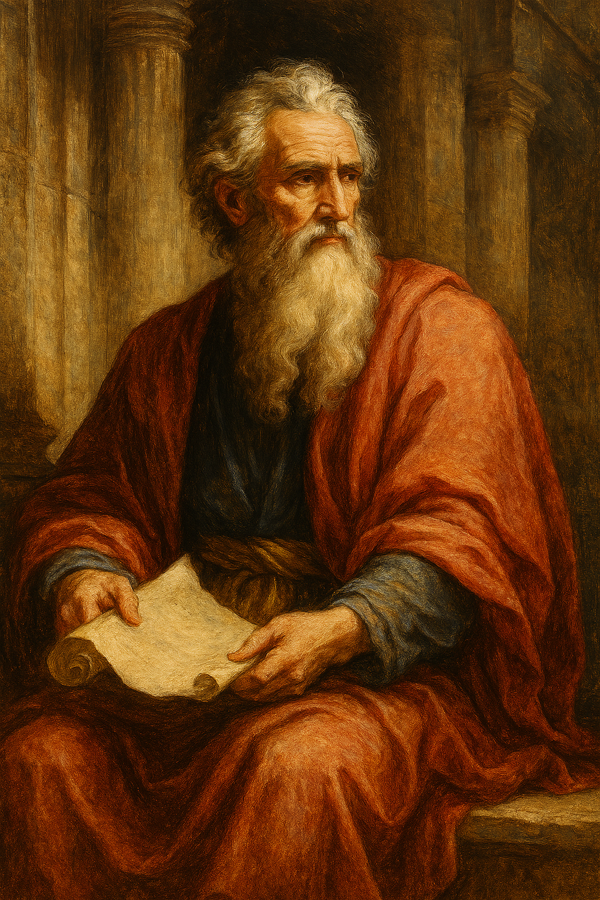
Daniel’s Early Life and Captivity
Daniel was born into the royal family of Judah and was among the young nobles taken captive to Babylon by King Nebuchadnezzar around 605 BC (Daniel 1:1–6). His deportation marked the beginning of a life lived in exile, yet one deeply rooted in faith and divine purpose.
Training in Babylon
Upon arrival, Daniel and his companions were selected for royal training. They were taught the language and literature of the Chaldeans, but Daniel resolved not to defile himself with the king’s food, demonstrating early his commitment to God (Daniel 1:8).
God’s Favour and Wisdom
God honoured Daniel’s faithfulness by granting him exceptional wisdom and understanding, especially in interpreting dreams and visions. He quickly distinguished himself above all other wise men in Babylon (Daniel 1:17–20).
Daniel 2 – Nebuchadnezzar’s Dream of the Great Image
Nebuchadnezzar’s troubling dream of a statue composed of gold, silver, bronze, iron, and clay was revealed and interpreted by Daniel. Each metal represented successive empires: Babylon, Medo-Persia, Greece, and Rome. The stone that shattered the statue symbolized God’s eternal kingdom.
Read More …
Daniel’s Promotion
Following the interpretation of Nebuchadnezzar’s dream of the great image, Daniel was promoted to a high position in Babylon, overseeing the province and its wise men. His influence grew, yet he remained humble and faithful to God (Daniel 2:48–49).
Daniel 3 – The Fiery Furnace
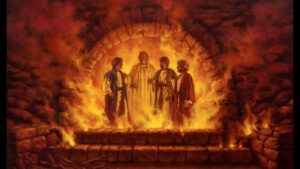
King Nebuchadnezzar of Babylon erected a golden statue and commanded all his subjects to bow down and worship it. Three young men—Shadrach, Meshach, and Abednego—refused to comply, remaining faithful to their God despite the threat of death. Their defiance enraged Nebuchadnezzar, who ordered them to be thrown into a blazing furnace heated seven times hotter than usual. The king’s soldiers carried out the command, but the flames were so intense that they killed those who approached the furnace.
Miraculously, Shadrach, Meshach, and Abednego were unharmed by the fire. Nebuchadnezzar, astonished, saw not three but four figures walking in the flames, the fourth appearing “like the son God.” Recognizing the divine intervention, the king called the men out of the furnace. They emerged without a single burn, and even their clothes were untouched by the fire. Nebuchadnezzar then praised their God and promoted them to positions of honor, declaring that no other god could save in such a manner. This episode powerfully illustrates faith under persecution and God’s ability to deliver those who trust in Him.
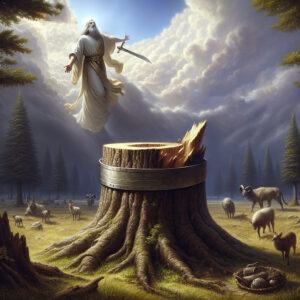
Daniel 4 – Nebuchadnezzar’s Dream of the Tree & the Tree Cut Down
In another dream, Nebuchadnezzar saw a great tree cut down, symbolizing his coming humiliation. Daniel interpreted the dream as a divine judgment for the king’s pride. The prophecy was fulfilled when Nebuchadnezzar was driven to live like a wild beast until seven times passed over him and he acknowledged God’s ultimate sovereignty.
Daniel 4:1-37 …
…

Daniel 5 – Belshazzar’s Feast and the Writing on the Wall
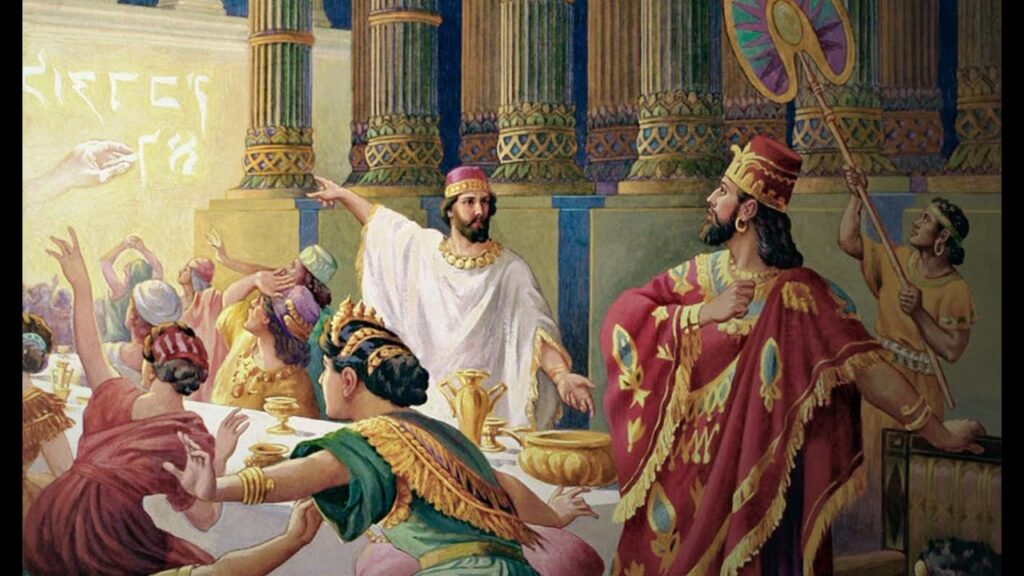
Belshazzar – the grandson of king Nebuchadnezzar II – held a drunken feast in which he used the vessels taken from the temple at Jerusalem. They drank wine, and praised the gods of gold, and of silver, of brass, of iron, of wood, and of stone.. At the height of the feast the fingers of a hand appeared and wrote a message on the wall. Daniel interpreted the message that read: “Mene, Mene, Tekel, Upharsin”. The interpretation was that God had numbered the kingdon of Babylon and finished it. Babylon was to be taken and divided between the Medes and the Persians. That very night the city of Babylon was captured by the Medo-Persians, fulfilling the prophecy.
Daniel 6 – The Lion’s Den
Under the Persian rule of King Darius, Daniel’s unwavering prayer life led to his persecution. Despite the issuance of a royal decree, stating that no one was to be permitted to ask any petition of any God or man apart from Darius, continued praying to God. As a result, he was thrown into a lion’s den,. However, God miraculously preserved him, affirming Daniel’s divine protection and integrity. Those who conspired to destroy Daniel by persuading King Darius to sign the decree were consigned to the lion’s den, together with their families, all of which were overpowered and eaten by the lions.
An graphic fulfilment of God’s promise to His people as recorded in Isaiah 54:17
No weapon that is formed against thee shall prosper